

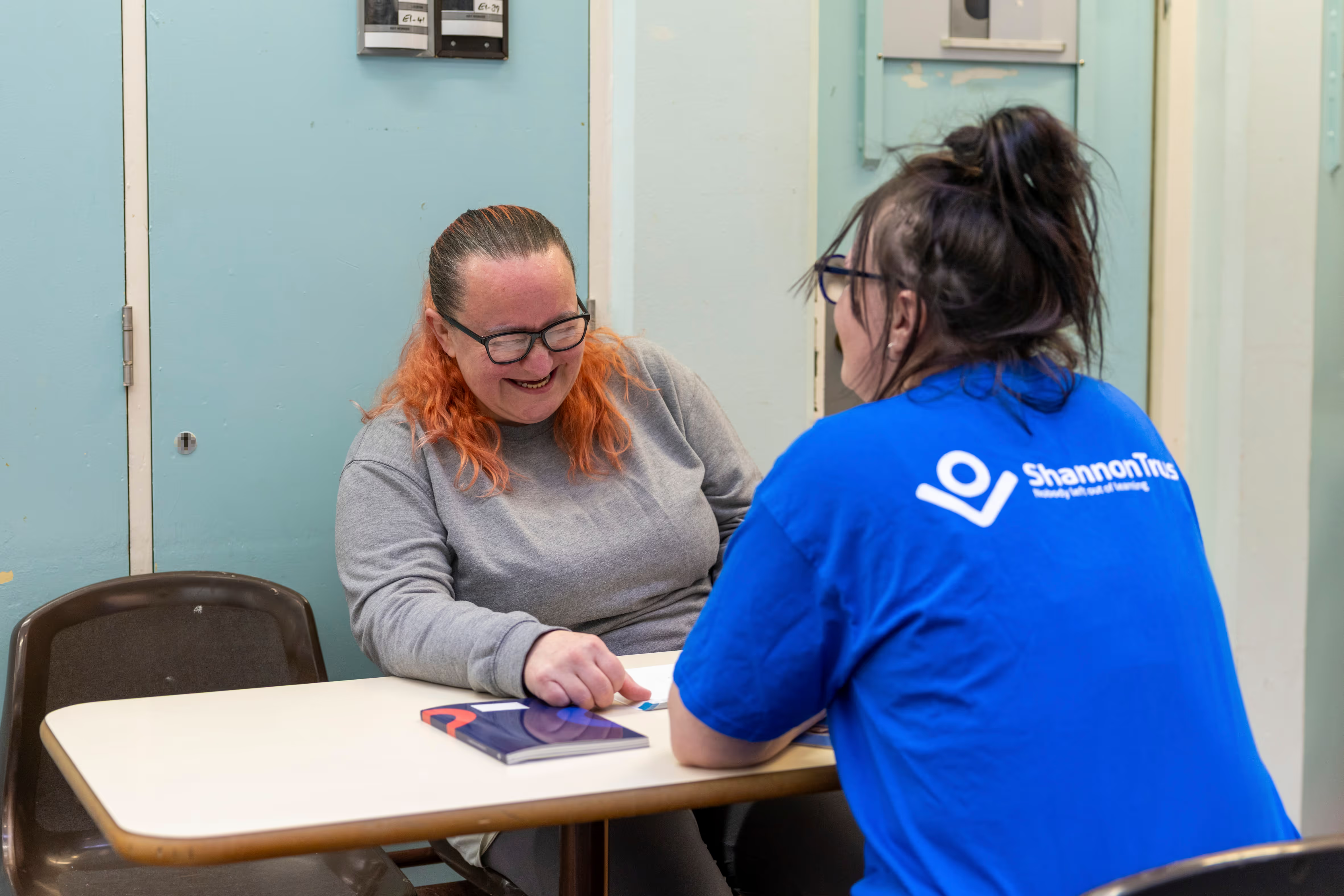
Learning to read and write goes beyond decoding words on a page. It's about unlocking potential, rebuilding confidence and creating pathways to a better future. At Shannon Trust, we've witnessed countless transformations that begin with basic literacy and numeracy skills.
The gateway to more opportunities
At Shannon Trust, we see that once people discover accessible and achievable ways to learn, it encourages them to keep going. That first breakthrough with a peer mentor, reading a sentence, completing a sum, writing their own name with confidence, it often sparks something profound in our learners. Suddenly undertaking additional training and gaining qualifications – goals that once seemed impossible – become achievable.
Literacy and numeracy are the foundation upon which other learning rests. Without them, accessing further education remains a distant dream. With them, learners can pursue GCSEs, apprenticeships, degrees and specialist training in the future that can completely reshape their career prospects.
Employment and economic independence
The connection between literacy skills and employment opportunities is undeniable. Job applications, health and safety training, understanding contracts, communicating with colleagues. All of these require confident reading and writing abilities. Numeracy skills are equally essential, from managing timesheets and understanding pay slips to handling customer transactions and basic budgeting.
For many of our learners, improving their literacy and numeracy skills opens doors to future jobs they'd never considered possible. More importantly, it gives them the confidence to apply, interview and advocate for themselves in the workplace upon release from prison. They gain independence, dignity and the ability to support themselves and their families.
Transforming family life
Perhaps nowhere is the impact of literacy more profoundly felt than in family relationships. Parents who learn to read can finally help their children with homework, read bedtime stories, and engage with their children's education. This breaks cycles of illiteracy that can span generations and creates a home environment where learning is valued and celebrated.
Grandparents can stay connected through letters and messages. Partners can communicate more effectively. The practical benefits, such as managing household bills, understanding medical information and navigating benefits systems can reduce stress and improve quality of life for entire families.
Rebuilding self-esteem
The psychological impact of illiteracy is often underestimated. Many adults who struggle with reading and writing carry deep shame about their difficulties. They've developed elaborate coping strategies to hide their struggles, expending enormous energy on appearing capable while feeling fundamentally inadequate.
Learning to read and understand basic numeracy transforms this internal narrative. Each small victory, from reading a letter and filling in a form independently to writing a message to a loved one, rebuilds self-worth. Learners discover they're not incapable, as they may have been told or believed. They're able people who simply needed the right support and opportunity.
This renewed self-esteem permeates every aspect of life. People stand taller, speak up more confidently, and approach challenges with newfound resilience. They stop seeing themselves as defined by what they cannot do and start recognising their potential.
A foundation for everything
Literacy and numeracy are life skills that unlock doors to education, employment, family connection and personal dignity. At Shannon Trust, we see every day how these fundamental abilities can transform individual lives and entire futures.
Hear from learners, mentors and volunteers, see the difference learning is making, and discover ways to get involved.


.avif)